
A used car with fewer miles on the clock than it has actually done can look like a bargain, until it turns out to be a liability. Fortunately, clocking is one of the easier types of fraud to catch before you hand over any money, provided you know where to look.
To spot a clocked car, compare the mileage on the odometer against the MOT history available free from GOV.UK, check wear on the steering wheel, pedals and seat for consistency with the claimed mileage, and look for mismatched service stamps or missing receipts. Any gap between these sources is a reason to walk away or investigate further.
Knowing how to spot a clocked car matters more than ever now that odometers are digital and easy to tamper with using a handful of tools bought online. For buyers across Macclesfield, Wilmslow, Knutsford and the wider Cheshire area, a car bought privately or from a small trader carries more risk than one bought from a franchised dealer with warranty backing. The good news is that clocking leaves traces, you just need to know where to look.
What Is Clocking and Why Do Sellers Still Do It?
Clocking means winding back a car’s odometer, or reprogramming a digital one, so it shows fewer miles than the car has actually covered. It matters because mileage is one of the biggest single factors in a used car’s value and in a buyer’s confidence that they’re getting a well-maintained vehicle rather than one nearing the end of major components’ working life. A car with 40,000 genuine miles and one that’s really done 90,000 can look identical to the untrained eye, but the second is closer to needing a cambelt, clutch or suspension work.
Sellers clock cars for one simple reason: a lower mileage figure supports a higher asking price and a quicker sale. Digital odometers can be altered using devices that plug into a car’s diagnostic port, and unlike the old mechanical rollback trick, done well it leaves no obvious sign on the dash itself. That’s exactly why relying on the number in front of you isn’t enough.
What Are the Warning Signs of a Clocked Car?
A handful of checks, done in order, will catch most clocked cars before you commit to buying one.
Check the Service History and MOT Record
Every MOT test records the mileage at the time, and that history is free to view on GOV.UK using the registration number. Read through it year by year, mileage should climb steadily, never drop, and shouldn’t jump in odd increments that don’t match how the car has apparently been used. A service book with stamps, dated invoices from a garage, or records held digitally by a dealer network should also line up with the MOT figures within a reasonable margin.
Look at Wear and Tear Against the Claimed Mileage
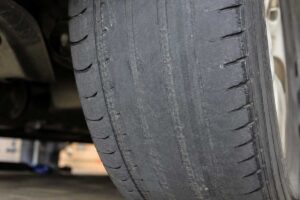
A steering wheel, gear knob, driver’s seat bolster and pedal rubbers all wear at fairly predictable rates. A car supposedly showing 30,000 miles but with a driver’s seat that’s visibly sagging, a shiny worn steering wheel rim and pedal rubbers worn through to the metal has probably covered a lot more road than the clock admits. Tyres are worth a look too, since a full set of part-worn tyres on a “low mileage” car is a detail worth asking about, when tyres are usually still original or barely touched at genuinely low mileages.
Check the MOT Advisories Match the Car’s Age
MOT advisories build a picture of a car’s mechanical decline over time, worn suspension bushes, corroding brake pipes, deteriorating exhaust mounts. If a car is showing signs of the wear you’d expect at 80,000 miles but its documented history only accounts for 45,000, that mismatch is worth investigating rather than dismissing as bad luck.
Inspect the Odometer and Dashboard for Physical Signs
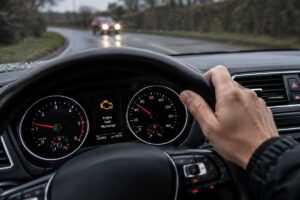
Loose or misaligned digits on an older mechanical odometer, or dashboard trim that looks like it’s been removed and refitted, are red flags on older vehicles. On modern cars, look instead for a service history or diagnostic report that references mileage at the point of previous work, an independent garage’s own records, rather than the seller’s word, are the safer comparison point.
How Can You Check a Car’s Genuine Mileage History?
There are several ways to cross-reference mileage before agreeing a price, and using more than one gives you the best chance of catching a discrepancy. The MOT history checker on GOV.UK is free and covers any MOT test back to 2005, showing mileage recorded at each test alongside advisories and failures. A vehicle history check from a provider such as HPI or a similar service can flag if a car has previously been recorded with a higher mileage, though these checks rely on data that’s been reported to them and won’t catch every case.
The most thorough option is a pre-purchase inspection carried out by an independent garage that isn’t the one selling the car. A trained technician can examine wear patterns, check diagnostic data against the odometer reading, and look over the service history in a way that most private buyers simply don’t have the tools or experience to do themselves.
What Should You Do If You Suspect a Car Has Been Clocked?
If the mileage doesn’t add up, the safest response is to ask the seller directly and see how they react. A genuine seller with a clean history will usually be able to explain any gaps or produce paperwork; a seller who becomes evasive, changes the story, or pressures you to complete quickly is giving you useful information in itself.
Walking away costs you nothing. Buying a clocked car, on the other hand, can leave you paying for a car’s real condition without the price to match, and can complicate matters if you come to sell it on yourself. Looking into UK’s legal position on selling a vehicle with a knowingly falsified mileage, including the relevant legislation and current penalties, is worth understanding if you believe you’ve already bought a car that turns out to be clocked, and a solicitor or Citizens Advice can point you toward the right next step.
Why a Pre-Purchase Inspection Beats Guesswork
Every check above can be done by a careful buyer with time, patience and the right knowledge. In practice, most people looking at a car on a driveway in Alderley Edge or a forecourt in Sandbach don’t have a diagnostic tool in the boot or years of experience reading wear patterns, and that’s precisely the gap an independent garage fills.
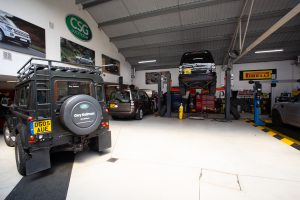
At CSG Automotive, we carry out pre-purchase inspections and vehicle checks for buyers across Macclesfield and the surrounding Cheshire towns, including Knutsford, Nantwich, Wilmslow, Sandbach, Altrincham, Middlewich, Congleton, Holmes Chapel, Prestbury, Northwich and Bollington. That includes a look at service history, a physical inspection of wear against the claimed mileage, and where relevant, our own experience with Land Rover and Range Rover diagnostics for buyers considering one of those models specifically. A short inspection before you pay is far cheaper than a bill for someone else’s neglect after you’ve bought the car.
Frequently Asked Questions
Is clocking a car illegal in the UK? Winding back an odometer isn’t automatically a criminal act in itself, but selling a car while knowingly misrepresenting its mileage is a form of misrepresentation that can breach consumer protection law. Confirm exact legislation and current penalties that apply to selling a car with a falsified mileage in the UK. If you suspect you’ve bought a clocked car, keep all paperwork and seek advice on your options.
Can a full service history guarantee a car hasn’t been clocked? No. A service history makes clocking easier to spot because it gives you mileage figures to cross-reference, but a determined seller can still falsify or omit records. Always check the service history against the independent MOT record on GOV.UK rather than relying on the service book alone.
How much does an odometer need to be out before it counts as clocked? There’s no set threshold, clocking refers to any deliberate alteration of the recorded mileage to misrepresent a car’s true usage, whether that’s a few thousand miles or tens of thousands. Small discrepancies can sometimes be explained by an honest recording error, which is another reason to ask the seller directly rather than assuming the worst immediately.
Are older cars with mechanical odometers easier or harder to clock? Older mechanical odometers are actually easier to physically wind back, but the practice leaves more visible clues, misaligned digits, tool marks around the dash, or a mismatch between digit wheels. Digital odometers are harder to alter without specialist equipment, but a professional job leaves little visible trace, which is why cross-referencing MOT and service records matters just as much on newer cars.
What documents should I ask to see before buying a used car? Ask for the V5C registration certificate, the full service history including invoices and stamps, and the MOT certificates for at least the last few years. Cross-check the mileage on all three against the free MOT history on GOV.UK before you view the car, so you already know what you’re checking for when you arrive.
Should I still get an inspection if the mileage checks out? Yes. A clean mileage history rules out clocking but says nothing about the car’s mechanical condition, accident history or outstanding finance. An independent pre-purchase inspection covers all of these, giving you a fuller picture than a mileage check alone.
Conclusion
Spotting a clocked car comes down to comparing sources rather than trusting a single number on a dashboard. The MOT history, service records, and physical wear on the car all tell a story, and when those stories disagree, that’s your signal to ask harder questions or walk away.
If you’re viewing a used car in or around Macclesfield and want a second opinion before you commit, CSG Automotive offers pre-purchase inspections that cover mileage verification alongside a full mechanical check, including specialist knowledge of Land Rover and Range Rover models for buyers considering one. A short conversation with us before you buy could save you a much longer one after.