Turn the key and get nothing but a slow, groaning click? Cold mornings are the single biggest trigger for no-start calls at garages across Cheshire, and it’s rarely one simple fault.
A car that won’t start on a cold morning is most often caused by a weak or ageing battery struggling to deliver current in low temperatures, though thickened engine oil, a worn starter motor, or damp ignition components can also be to blame.
Batteries lose around a third of their effective power at freezing point, which is why faults that were invisible in summer suddenly show up in winter.
If this is happening to you right now, the good news is that most cold-start problems are diagnosable in minutes at a proper workshop — and cheap to prevent once you know what’s actually going on under the bonnet.
What Actually Happens to a Car in the Cold?
Cold weather doesn’t create new faults so much as expose the ones already lurking. A car battery that’s been quietly losing capacity all year will often still start the engine on a mild September morning without any drama. Drop the temperature to zero or below, though, and the chemical reaction inside the battery slows down, meaning it simply can’t push out the same current it could in warmer conditions.
At the same time, your engine oil thickens slightly in the cold, which means the starter motor has to work harder to turn the engine over. So you’ve got a battery giving you less power, asking to do more work — and that combination is what tips a marginal battery over into a flat one.
Why Won’t My Car Start Even Though the Battery Is Newish?
A relatively new battery can still struggle in the cold if it isn’t being charged properly during normal driving, particularly on cars used mostly for short trips. Short journeys under 15–20 minutes often don’t give the alternator enough time to fully replace the charge used during starting, so the battery runs at a permanent slight deficit that becomes obvious the moment the temperature drops.
Other common culprits beyond the battery itself include:
- A worn or failing starter motor — you’ll usually hear a single click, a whirring noise that doesn’t catch, or nothing at all rather than the classic slow crank.
- Corroded or loose battery terminals — connections that were “good enough” in summer can create just enough resistance in the cold to stop current flowing properly.
- Damp in the ignition system — older petrol cars particularly can suffer from moisture affecting spark plugs, leads, or coil packs overnight.
- Diesel-specific cold issues — glow plugs that are slow to heat, or in genuinely severe cold, fuel that has started to wax (thicken) in the lines.
How Can I Tell What’s Actually Wrong?
The type of no-start noise is a useful first clue, though it isn’t a substitute for a proper check. A rapid clicking sound usually points to the battery. A slow, groaning crank that eventually gives up suggests the battery is close but not quite delivering enough current. Complete silence when you turn the key can mean anything from a flat battery to a starter motor fault or even an immobiliser issue, so it’s worth having it looked at rather than guessing.
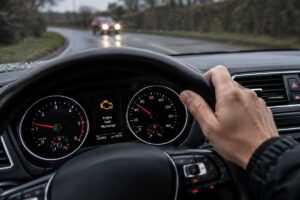
Dashboard warning lights, dimming interior lights when you try to start, or accessories like the radio cutting out are also worth noting and mentioning when you book the car in — they help our technicians narrow things down before they even open the bonnet.
Is It Safe to Keep Jump-Starting My Car?
Jump-starting gets you moving in an emergency, but it isn’t a fix — it’s a workaround. If your battery needed a jump-start once, there’s a good chance it will need one again, often at a worse moment. Repeatedly jump-starting a weak battery can also put extra strain on the alternator, which is a considerably more expensive component to replace than a battery.
If you’ve jump-started the same car more than once in a fortnight, that’s the point to get it properly tested rather than carry a set of jump leads through the rest of winter.
What Should I Do If My Car Won’t Start This Morning?
If you’re stuck right now: check that the battery terminals are clean and tight, make sure no interior lights or accessories were left on overnight, and listen carefully to what happens when you turn the key, since that noise is genuinely useful diagnostic information. If a jump-start gets you going, drive for at least 20–30 minutes to help recharge the battery before switching off again, and book it in for a proper check as soon as you can.
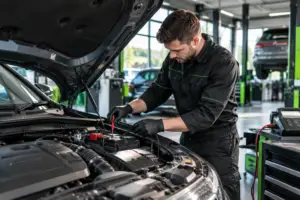
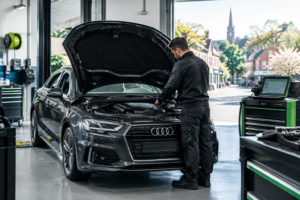
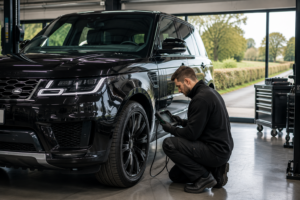
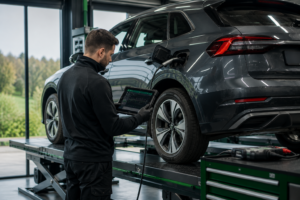
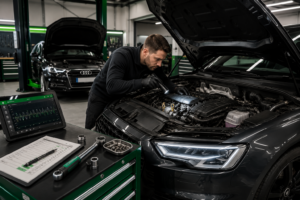
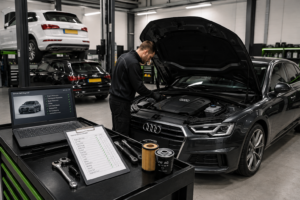
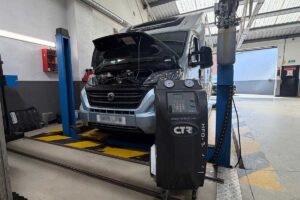
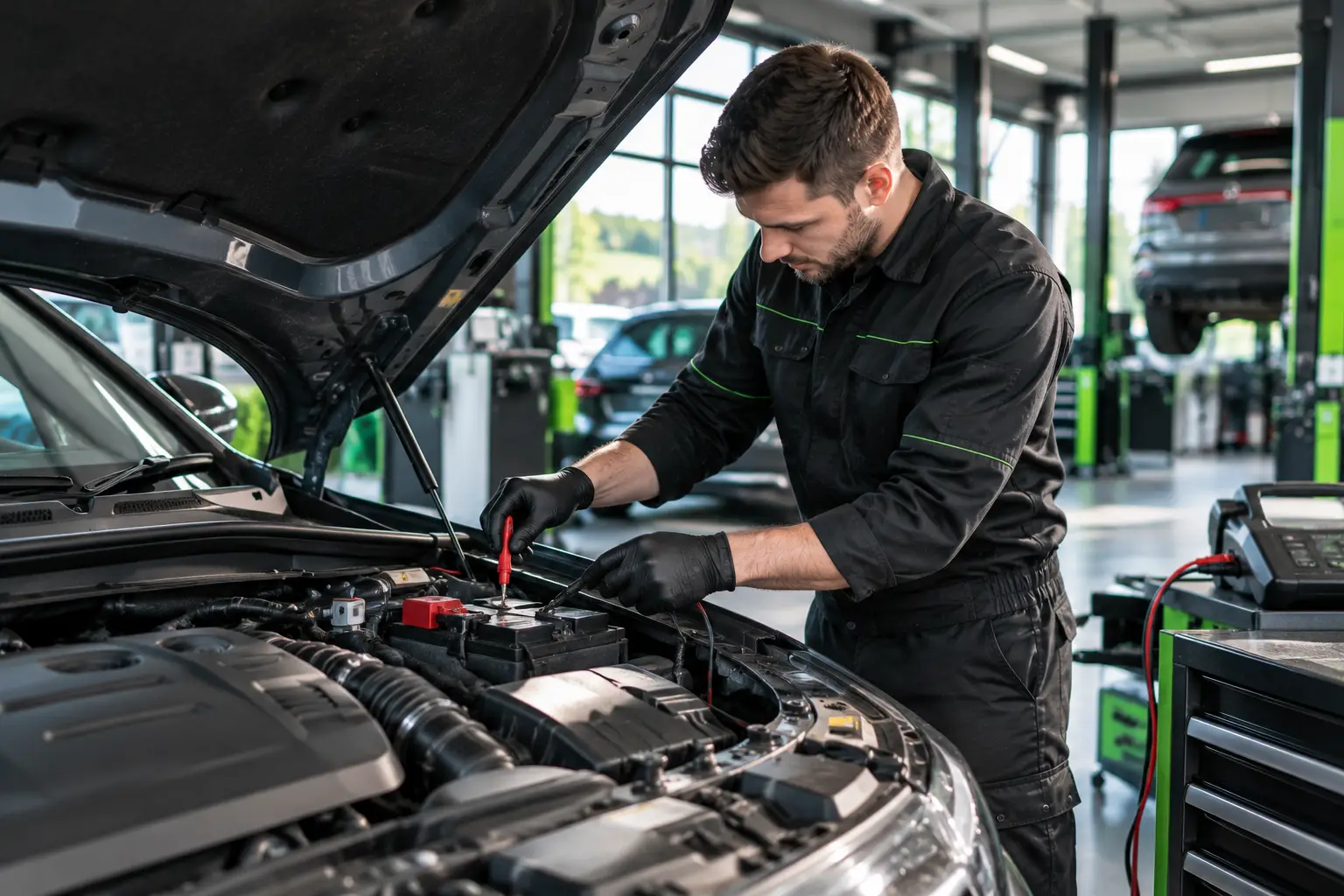
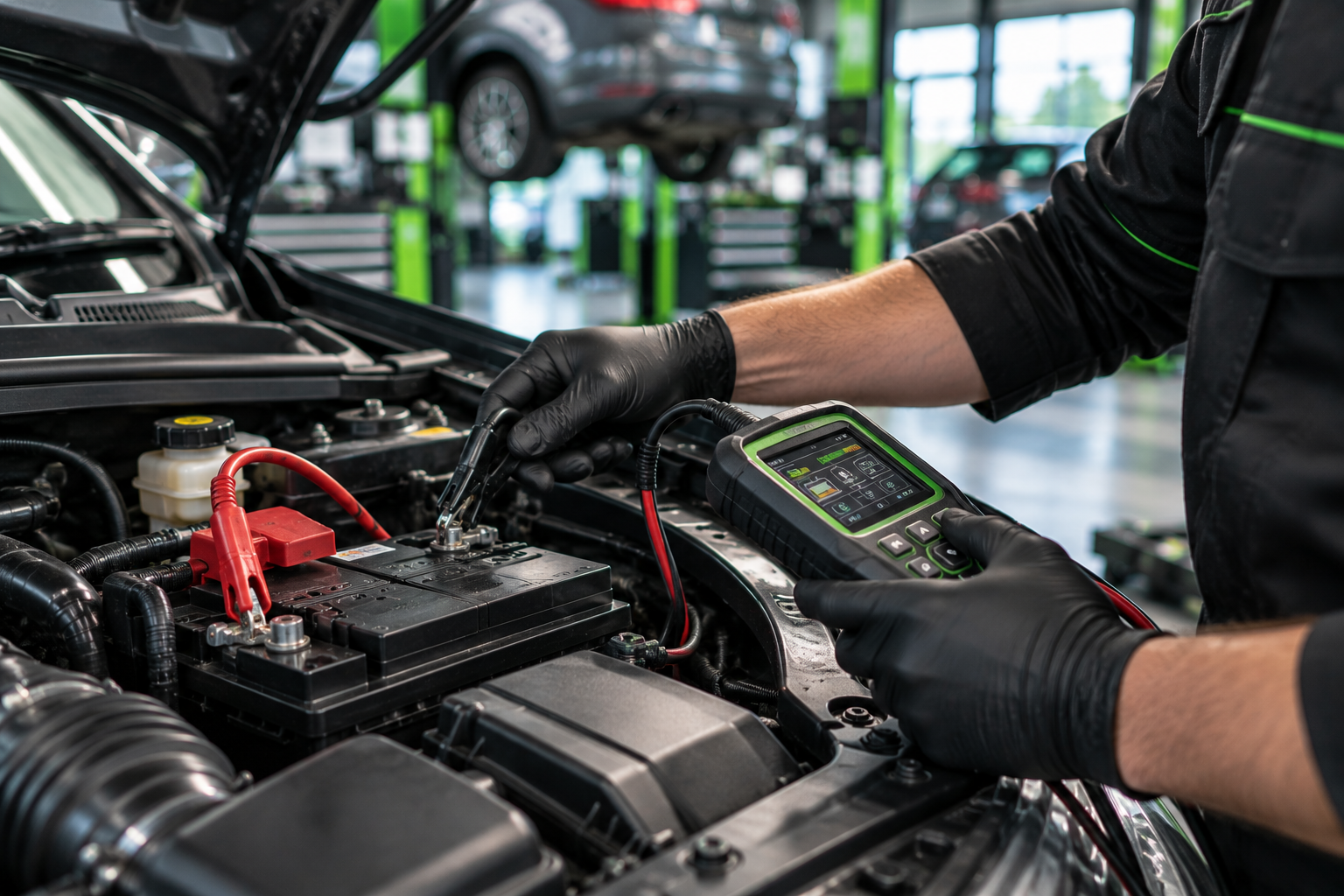
At CSG Automotive, a battery and charging system check takes a matter of minutes with the right equipment, and it tells us definitively whether you’re dealing with a battery on its way out, a charging fault, or something else entirely — rather than replacing parts on a guess.
How Can I Prevent This Next Winter?
A few habits make a genuine difference. Batteries typically last four to six years, so if yours is approaching that age, a pre-winter test is worth the ten minutes it takes. If most of your journeys are short, an occasional longer drive helps keep the battery properly topped up. Keeping terminals clean and checking for any visible corrosion takes moments and can catch a developing fault before it leaves you stranded.
For diesel drivers, using a winter-grade fuel (many UK forecourts switch automatically) and not leaving the tank to run low in cold snaps reduces the risk of fuel-line issues.
Frequently Asked Questions
Why does my car struggle to start only when it’s cold?
Cold weather reduces a battery’s ability to deliver current by up to a third, while also thickening engine oil, which means the starter motor needs more power at exactly the moment the battery has less to give. A battery that’s borderline in mild weather often fails outright once temperatures drop.
How long does a car battery usually last?
Most car batteries last between four and six years, though this varies with usage patterns, the number of short journeys, and how many electrical accessories the car runs. A battery nearing this age is worth testing before winter rather than waiting for it to fail.
Is it bad to jump-start my car regularly?
Yes — repeated jump-starts suggest an underlying battery or charging fault that will likely recur, and the extra load can also strain the alternator. If you’ve needed more than one jump-start in a short period, have the battery and charging system properly tested.
Can cold weather damage a car battery permanently?
Cold itself doesn’t usually damage a healthy battery, but it does reveal reduced capacity in a battery that’s already weakening. Repeatedly draining a battery close to empty in cold conditions can shorten its remaining lifespan.
Should I warm my car up before driving on cold mornings?
Modern engines don’t need a long warm-up idle — it’s better for the engine and for emissions to drive gently for the first few minutes rather than idling on the driveway. A brief 30–60 seconds to let oil begin circulating is plenty before setting off.
What’s the difference between a battery fault and a starter motor fault?
A battery fault typically produces a slow crank, dimming lights, or rapid clicking. A starter motor fault more often causes a single loud click with no crank at all, or an intermittent problem that seems to resolve itself before returning. A proper diagnostic check is the only reliable way to tell them apart.
Ready for Winter?
If your car has been slow to start, or you’d simply rather not find out the hard way on a freezing January morning, book a battery and charging system check with the team at CSG Automotive in Macclesfield. We’ll tell you exactly what’s going on — no guesswork, no unnecessary parts.