
A van is often the biggest single purchase a small business makes, and it starts losing value the moment it leaves the forecourt. That is why plenty of owner-drivers and tradespeople across Cheshire look at the used market first.
Should you buy a used van for your business? For most small businesses, yes. A used van costs less to buy, depreciates more slowly than a new one and can be earning within days. The catch is condition. Choose a van with full service history, a sensible mileage for its age and a clean inspection, and it can serve you well.
We are CSG Automotive, an independent garage in Macclesfield, and we see vans of every age come through our workshop. Here is what we tell customers who are thinking about whether to buy a used van for their business, and what we would check before any money changes hands.
Is buying a used van for your business the right call?
It depends on how the van will be used. A used van makes sense when you need to get working quickly, want to keep the upfront outlay down, or are growing and are not yet sure what spec you will need in two years’ time.
New can still be the better choice for very high mileage, daily heavy towing or when you need a manufacturer warranty to protect cash flow.
The middle ground is a van a few years old with moderate mileage. The steepest depreciation has happened, but there is plenty of working life left, provided it has been looked after.
The real cost is more than the price tag
The advertised price is only the start. When we talk to customers about budgeting, we ask them to think about:
- Insurance for business use, which can differ from a standard car policy
- Road tax and any relevant emissions-based charges
- Servicing and routine maintenance
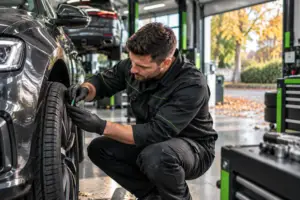
- Tyres, brakes and other wear items, which work harder on a loaded van
- Fuel, which adds up quickly if you cover a wide area
- Downtime, because a van in the garage is a van not earning
Add a sensible repair buffer too, because a set of tyres and a service in the first month is normal.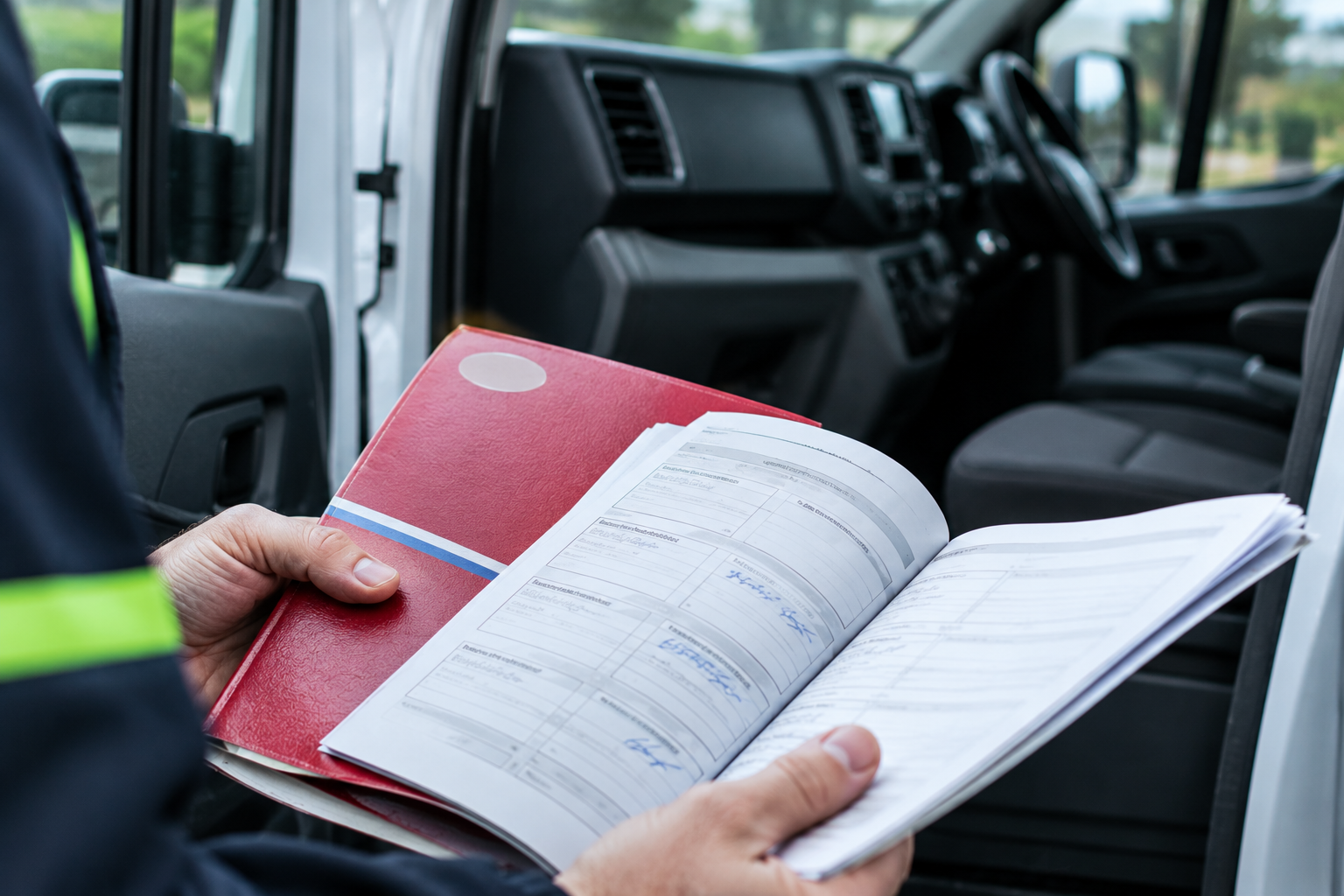
What should you check before you buy a used van?
A tidy cab and a fresh valet tell you nothing about the mechanical condition. We would work through the following, roughly in this order.
Paperwork and history
Start with the documents. Ask to see the V5C logbook and check the seller’s details match the person you are dealing with. Look at the MOT history online, paying attention to repeated advisories, because the same worn part flagged year after year often points to a van that has been run on a tight budget.
Ask for the service book and any receipts. A van that has been serviced on time at regular intervals is far more reassuring than one with a vague history. Run a vehicle history check as well, to confirm there is no outstanding finance, no insurance write-off record and that the mileage is consistent.
Body, cab and load area
Walk round the van in daylight, looking for uneven panel gaps, mismatched paint and rust on door bottoms, wheel arches and sills. Check the load floor for heavy dents or patching, which suggest hard use.
Inside, check the driver’s seat, pedals and steering wheel against the mileage. A badly worn cab on a low-mileage van deserves a question.
Engine, gearbox and running gear
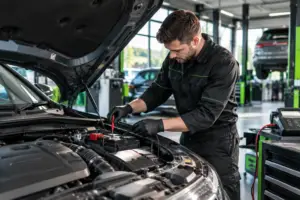
Start the engine from cold if you can, because a warmed-up van can hide hard starting or smoke. Listen for knocking or a rough idle.
On the test drive, pay attention to the clutch, gearbox and steering. Does the clutch bite smoothly? Does the van pull to one side under braking? Any vibration, clunks over bumps or a spongy brake pedal is worth noting, because those are the faults that tend to become bills.
Diesel-specific checks
Most vans are diesel, and modern diesels have systems that can be expensive when they go wrong. Ask whether the van has a diesel particulate filter, and find out whether it has been used for long runs or short, stop-start trips. Short urban journeys are harder on these systems.
Warning lights should come on at start-up and then go out. If a light stays on, or the dashboard has been tampered with so that it never lights at all, walk away or ask a specialist to look at it first.
Which age and mileage is best for a used business van?
There is no magic number. Use and maintenance matter more than age or mileage. A younger van with high motorway mileage can be in better shape than an older one used for short, heavily laden deliveries.
When you compare vans, we would weigh these factors together:
- Service history: complete and on time beats patchy every time
- Previous use: ex-fleet vans often have a clean maintenance record, though they can have worked hard
- Known weak points for that model: every make has them, and a specialist can tell you what to look for
- Major service items: if a cambelt or timing chain, clutch or dual-mass flywheel is due, factor that into your offer
If the timing belt is due and there is no evidence it has been changed, that is a negotiating point, not a reason to panic.
Does the van suit the work you actually do?
Before you view anything, write down what you carry, how often and how far.
Check the payload, not just the load volume. A van can look huge and still be limited by how much weight it is legally allowed to carry. Overloading is a safety risk and can cause legal and insurance problems.
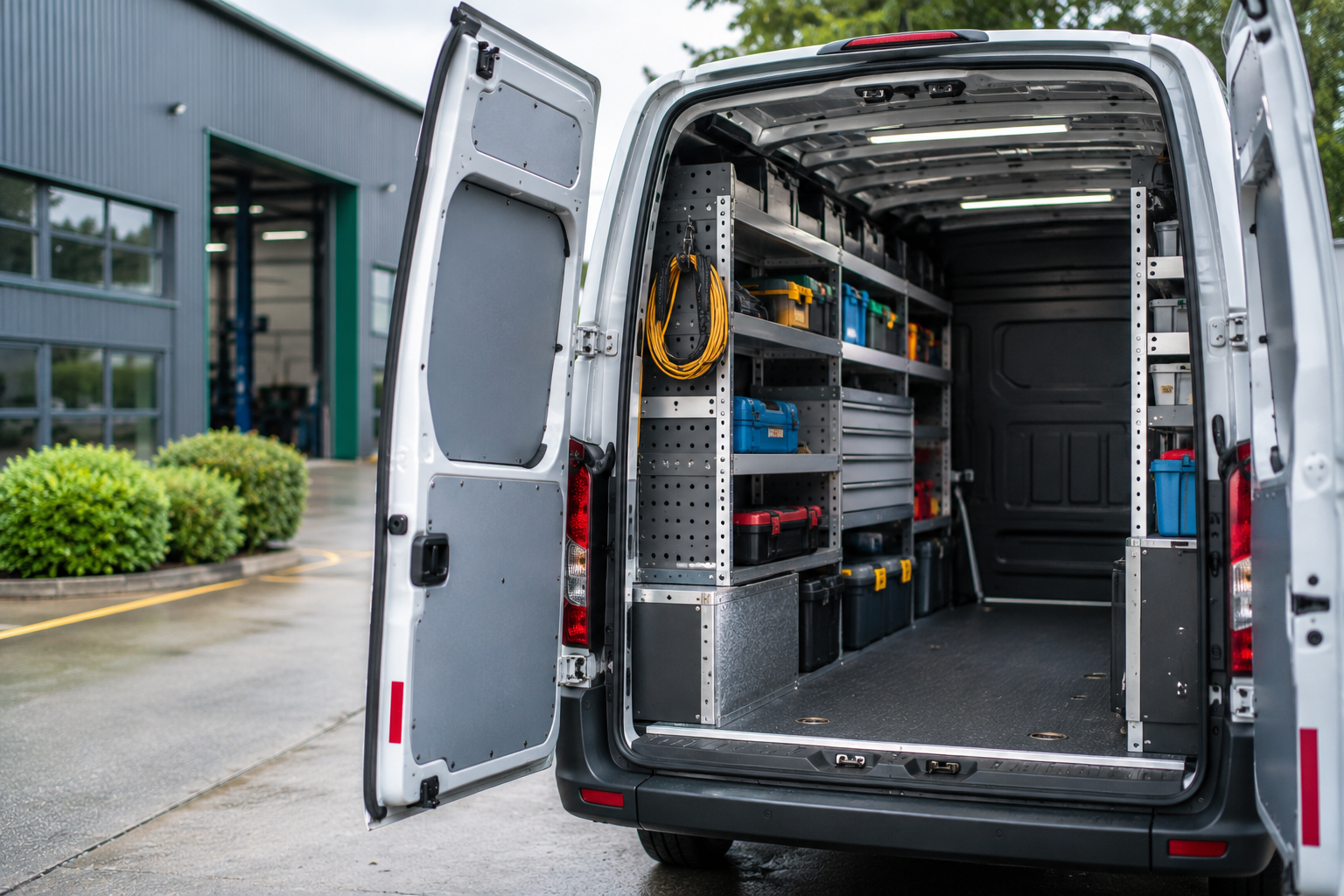
Think about load length and height, doors, bulkhead, racking and tow bar. Fitting these later costs money, so a van that already has what you need can be better value than a cheaper bare one.
Finally, consider whether the van’s fuel type fits your routes. A diesel suits long, steady mileage. If most of your work is short hops around town, ask us whether a petrol or electric option might suit your pattern better.
Why get a pre-purchase inspection on a used van?
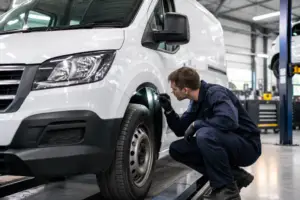
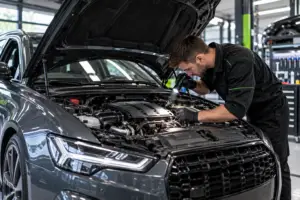
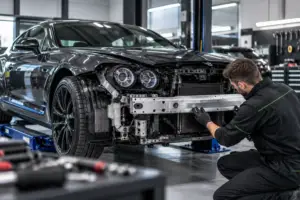
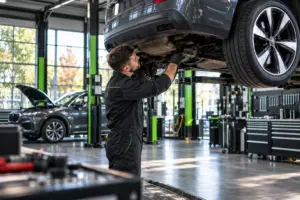
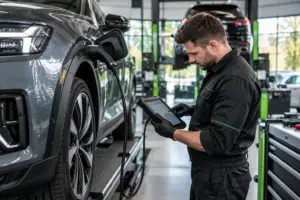
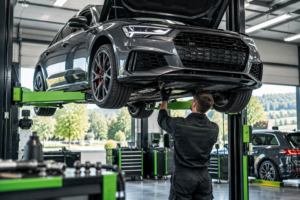
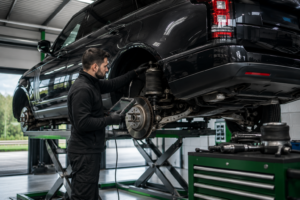
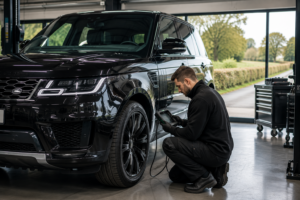
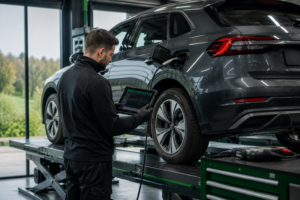
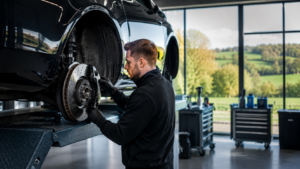
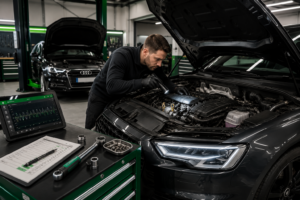
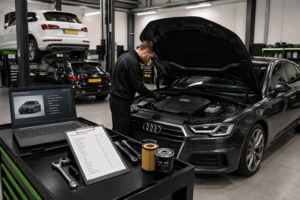
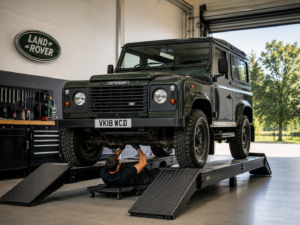
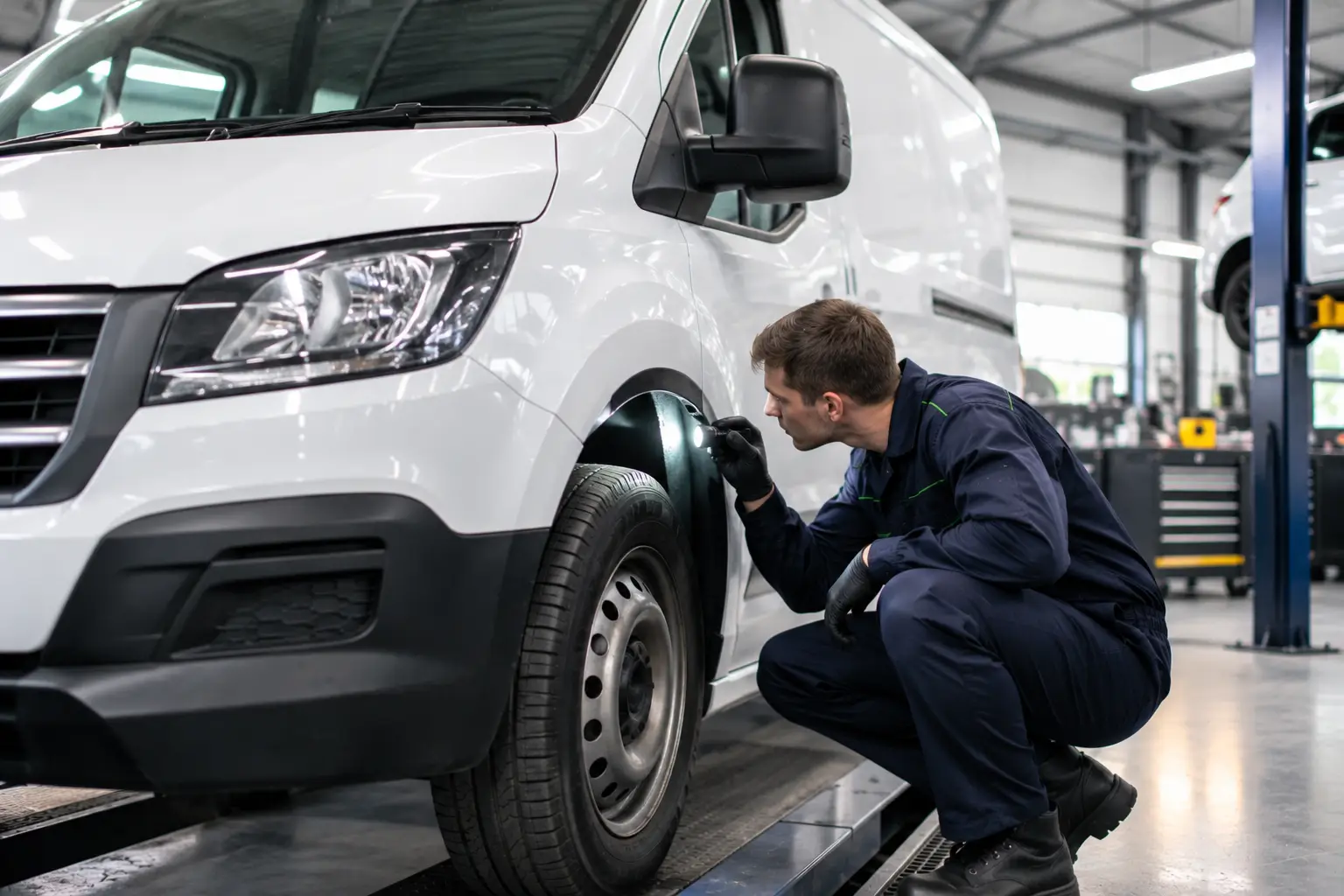
A pre-purchase inspection is the most useful money you can spend before buying. A trained technician puts the van on a ramp, looks underneath, checks for leaks, corrosion, worn suspension and brake components, reads fault codes and gives you an independent opinion.
An MOT only shows a vehicle met the minimum legal standard on one day. It says nothing about the engine, gearbox or clutch, or what will wear out next.
At CSG Automotive we inspect used vehicles for customers across Macclesfield and the surrounding area before they commit. The report gives you two things: confidence to buy, or a list of faults you can use to negotiate the price down, or a clear reason to walk away.
If a seller will not allow an independent inspection, treat that as a warning in itself.
Should you buy from a dealer or a private seller?
Both routes work, and each has trade-offs.
Dealers usually offer more consumer protection, and some will provide a short warranty and handle finance. Prices can be higher, and some dealers prepare vans cosmetically while skipping the mechanical work.
Private sellers can offer better prices and a first-hand account of how the van was used. You have fewer protections, though, so paperwork, history checks and an independent inspection matter even more.
Whichever route you take, never pay a deposit before you have seen the van and checked the paperwork.
What are the tax and accounting points to think about?
The way you buy can affect your tax position, and the right answer depends on your business structure. Whether you can reclaim VAT, how you claim capital allowances and how a van is treated compared with a car all depend on your circumstances.
We are mechanics, not accountants, so our advice is simple: speak to your accountant before you buy, not afterwards. A short conversation can save you far more than a small difference in purchase price.
How do you keep a used van reliable once you own it?
A baseline service in the first few weeks gives you a clean starting point. After that, stick to the manufacturer’s schedule, adjusted for how hard the van works, and act on new noises or warning lights early. They are cheaper to fix when they first appear than after a breakdown.
Frequently asked questions
Is it better to buy a new or used van for a small business?
For most small businesses a used van offers better value, because it costs less upfront and has already taken its heaviest depreciation. New can suit very high-mileage work or businesses that need a full manufacturer warranty. The deciding factors are your budget, your annual mileage and how much downtime you can afford.
What should I check when buying a used van?
Check the V5C logbook, MOT history and service records, then inspect the body for rust and accident repair. Test drive it, listening for engine, clutch and gearbox problems, and confirm warning lights behave normally. Finish with an independent pre-purchase inspection from a garage, which can reveal faults you cannot see.
What is a good mileage for a used van?
There is no single good figure, because use and maintenance matter more than the number on the clock. A well-serviced van with high motorway mileage can be a better buy than a lower-mileage one used for short, heavily loaded trips. Judge the van by its service history and condition.
Does a used van need a pre-purchase inspection?
Yes, it is strongly worth having one. An MOT only confirms that a vehicle met the minimum legal standard on the day it was tested, and it does not assess the engine, gearbox or clutch. A pre-purchase inspection gives you an independent view of the van’s condition and helps you negotiate or walk away.
Should I buy a used van from a dealer or privately?
A dealer usually provides more consumer protection and may offer a warranty, but prices can be higher. A private sale can be cheaper, though you have fewer protections. Whichever you choose, check the paperwork, run a history check and arrange an independent inspection before paying.
Ready to buy a used van for your business?
A used van can be one of the smartest decisions a small business makes, as long as you go in with your eyes open. Know what you need it to carry, check the history, test drive it properly and have an expert look underneath before you commit.
If you are thinking of buying a used van, or you have just bought one and want a service to give it a solid start, our team at CSG Automotive in Macclesfield is happy to help. Get in touch to book a pre-purchase inspection or a service, and we will talk you through what we find in plain English.