
Buying a used car is one of those purchases where the paperwork matters almost as much as how the car drives — and it’s the paperwork that most buyers rush past to get to the test drive.
Before buying a used car, you should check the V5C logbook matches the seller and the car’s VIN, the full service history, the MOT history via the free government checker, any outstanding finance, and proof of previous ownership if the car has changed hands recently. Together, these documents confirm the seller has the legal right to sell the car, that it’s been maintained properly, and that you won’t inherit someone else’s unpaid finance agreement.
None of this takes long to check properly, and skipping it is where most used car buying regrets begin.
Why Does the V5C Logbook Matter So Much?
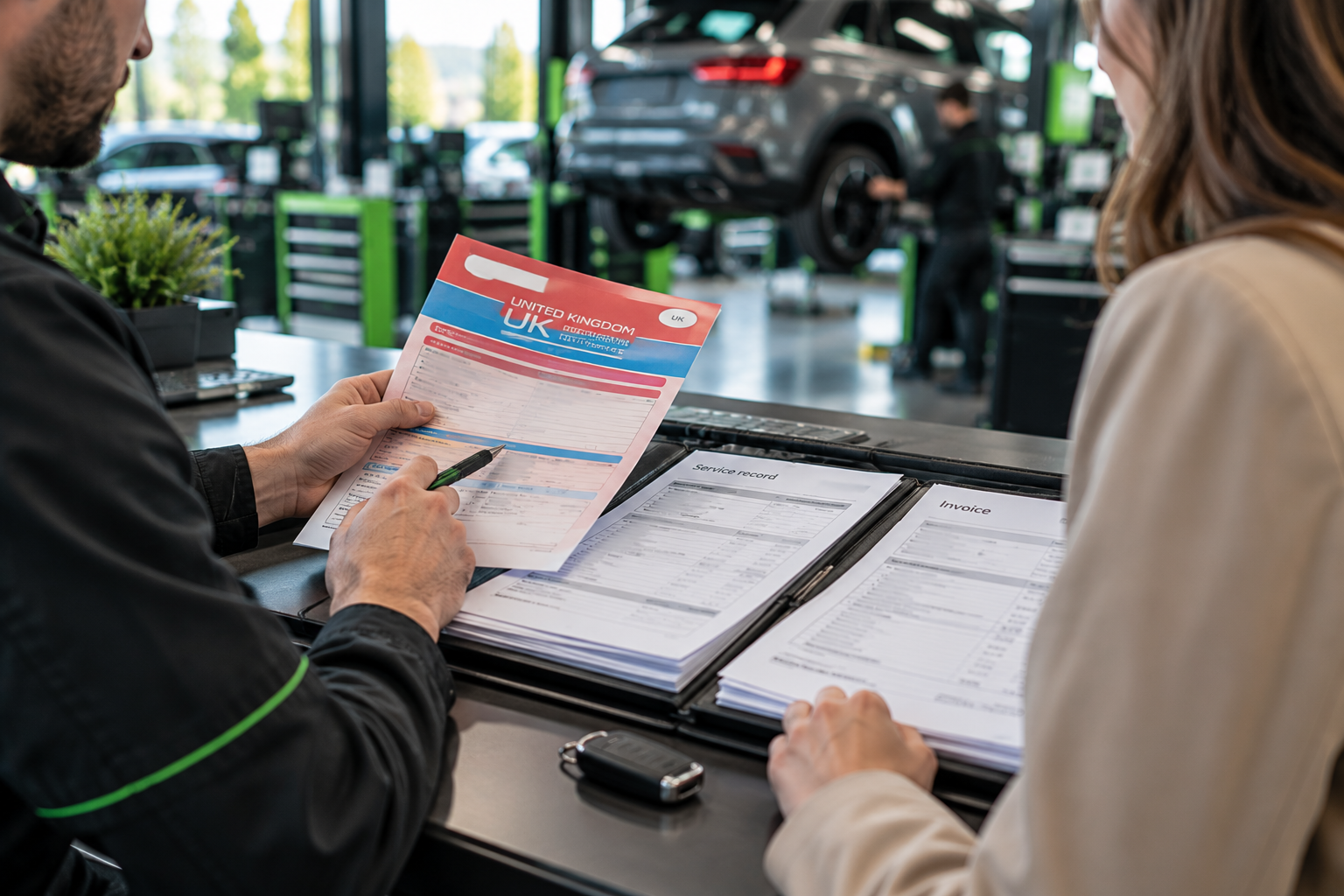
The V5C, often called the logbook, is the document that shows who’s registered as the keeper of the vehicle — though importantly, it isn’t proof of legal ownership on its own. What matters is that the details on the V5C match the seller’s identity and address, and that the vehicle identification number (VIN) printed on the document matches the VIN stamped on the car itself, usually visible through the windscreen or under the bonnet.
A mismatch between the seller’s details and the V5C, a V5C that looks altered or photocopied rather than an original, or a seller who’s reluctant to show it before you’ve paid are all significant warning signs. Genuine private sellers are used to being asked and won’t mind you checking.
How Do I Check a Car’s Service History?
Full service history means every service has been recorded and stamped, ideally with invoices to back up the stamps, not just a logbook with dealer stamps and nothing else to verify them. Ask to see actual invoices where possible — they show what work was actually carried out, which parts were used, and confirm the servicing was done at the intervals it claims.
A gap in the history, particularly a long one, isn’t automatically a dealbreaker, but it’s worth asking about directly rather than assuming. If a car’s mileage suggests it should have had four services and there’s evidence of only two, that’s a conversation worth having before you commit.
What Does an MOT History Check Actually Tell Me?
The UK government’s free MOT history checker (using just the registration number) shows every MOT test the car has had, including any advisories and failures, going back years. This is genuinely one of the most useful checks available and costs nothing, yet a surprising number of buyers never run it.
Look particularly for recurring advisories — the same issue flagged year after year without being fixed suggests either genuine neglect or a problem that’s expensive enough that previous owners kept putting it off. Also check that the mileage recorded at each MOT increases sensibly and consistently; a mileage that drops, or jumps unrealistically, is worth investigating before going any further.
How Do I Check for Outstanding Finance on a Used Car?
If a car still has outstanding finance owed against it when it’s sold privately, that finance can in some circumstances still be linked to the vehicle even after you’ve bought it — meaning you could face a dispute over ownership through no fault of your own. A vehicle history check (several commercial services offer this, often bundled with mileage and write-off checks) will flag outstanding finance, and it’s a check worth paying the small fee for given what’s at stake if you skip it.
The same check typically also reveals whether a car has been recorded as an insurance write-off, which is important information regardless of how good the car looks in person.
What If I’m Buying From a Dealer Rather Than Privately?
Dealers have additional legal obligations under consumer protection law that private sellers don’t, which does offer more protection — but it’s still worth running the same document checks rather than assuming a dealer has done it for you. Ask specifically to see the service history and MOT records rather than taking a verbal assurance that “it’s all there,” and confirm in writing what warranty, if any, comes with the sale.
Should I Get an Independent Inspection Before Buying?
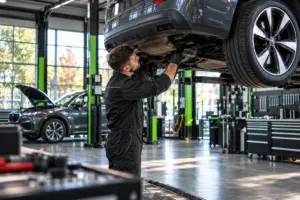
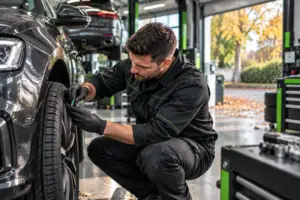
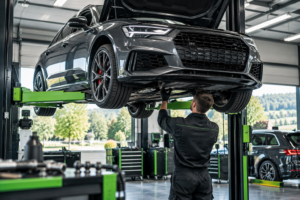
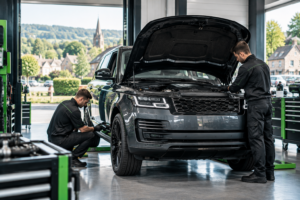
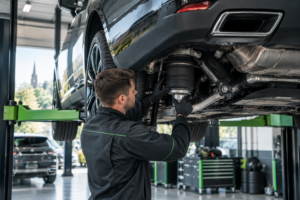
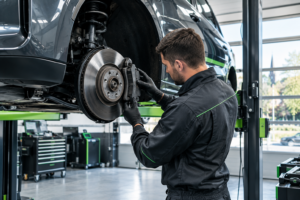
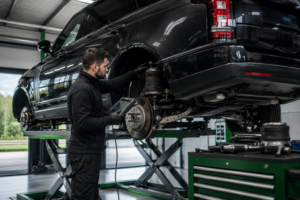
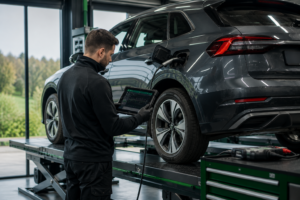
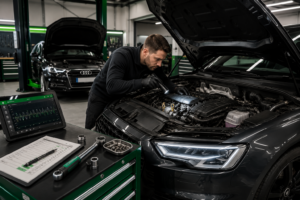
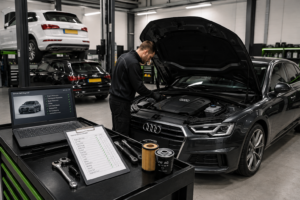
Documents tell you about the car’s history, but they don’t tell you its current mechanical condition — that’s where a pre-purchase inspection from an independent specialist comes in. A proper inspection checks the areas that don’t show up on paper: brakes, suspension, underbody condition, and any warning signs that a private seller might not mention, deliberately or otherwise.
Pairing a full document check with a professional pre-purchase inspection is the combination that catches almost everything a buyer needs to know before handing over money.
What Should I Do If Something Doesn’t Add Up?
Trust that instinct. A seller who’s cagey about the V5C, a service history with unexplained gaps, an MOT history that doesn’t match what you’re being told, or a mileage check that raises questions are all reasons to slow down, not press ahead. A genuine, honestly-described car will hold up to this level of scrutiny without any drama — it’s the ones that don’t that you’re trying to identify.
Frequently Asked Questions
What is the most important document to check before buying a used car?
The V5C logbook is essential, as it confirms the registered keeper’s details match the seller and that the VIN matches the vehicle. Alongside this, a free MOT history check and a paid vehicle history check for outstanding finance are the other critical checks.
How can I check if a used car has outstanding finance?
A commercial vehicle history check (often bundled with mileage and write-off checks for a small fee) will reveal any outstanding finance recorded against the vehicle. This is important because unpaid finance can in some cases remain linked to the car even after a private sale.
Is a full service history the same as a service book with stamps?
Not necessarily. A genuinely full service history is best supported by actual invoices showing what work was carried out, not just stamps in a book, which can be harder to verify independently. Ask to see invoices where possible.
How do I check a car’s MOT history for free?
The UK government provides a free online MOT history checker that only requires the vehicle’s registration number. It shows every past MOT test, including advisories, failures, and recorded mileage, going back several years.
Should I still check documents if I’m buying from a dealer?
Yes. While dealers have additional legal obligations to private sellers, it’s still worth independently confirming service history, MOT records, and any warranty terms in writing rather than relying on verbal assurances.
Is a document check enough, or do I need a mechanical inspection too?
Documents confirm a car’s history and legal status but don’t reveal its current mechanical condition. A pre-purchase inspection from an independent specialist checks brakes, suspension, and other areas that don’t show up on paperwork, and is worth doing alongside document checks.
Buying a Used Car? Get It Properly Checked
Before you commit to a used car purchase in Macclesfield, the team at CSG Automotive can carry out a thorough pre-purchase inspection to back up your document checks with a proper mechanical assessment.