If your Range Rover has started sitting unevenly, sinking overnight, or throwing up a suspension fault light, you’ve probably already had a quote that made your eyes widen — and you’re wondering whether it’s genuinely necessary.
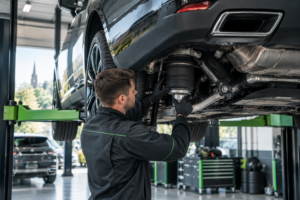
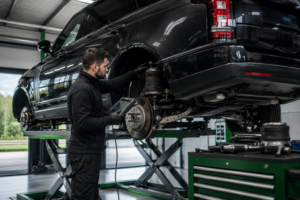
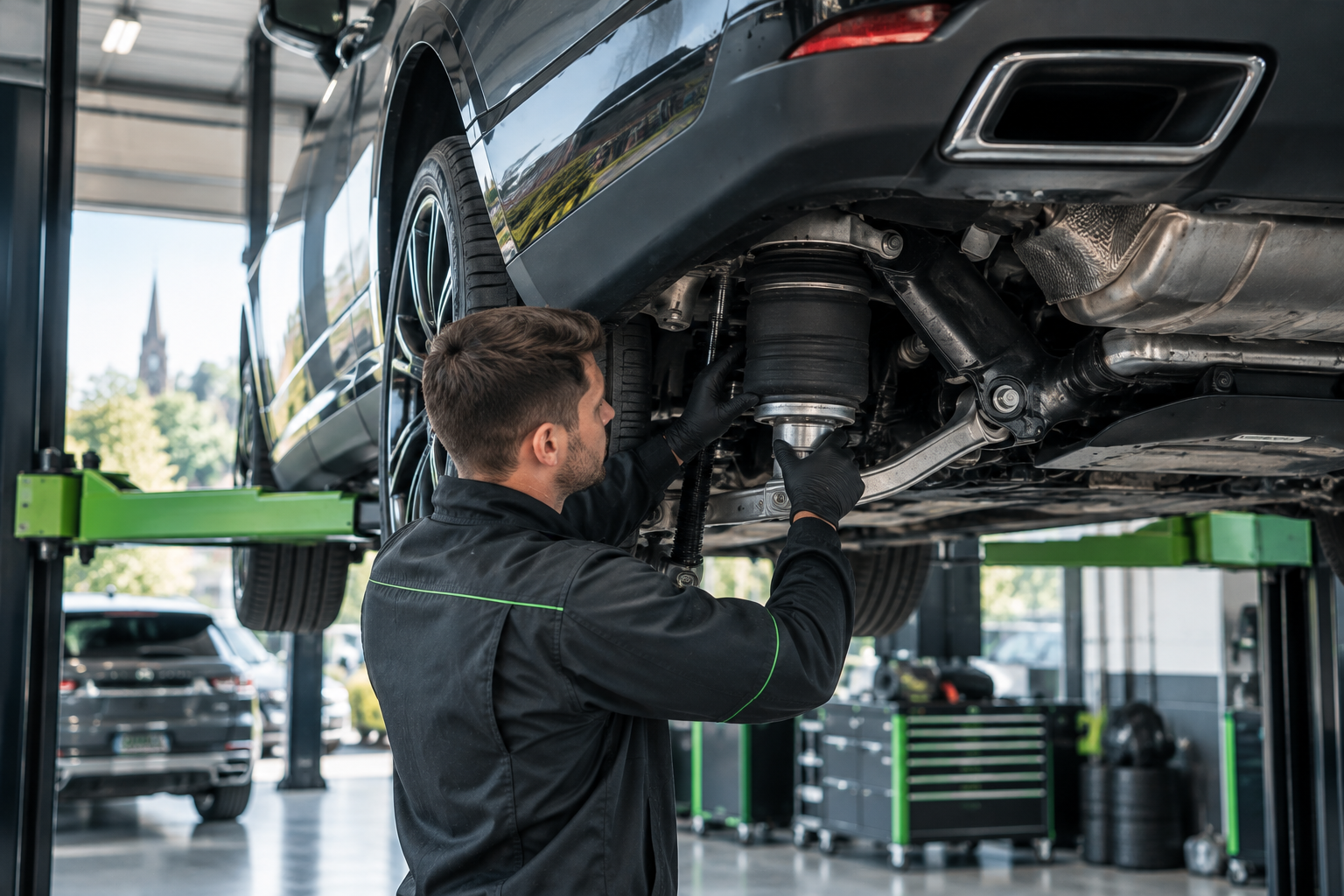
A Range Rover air suspension repair typically involves one of three things: a single air spring (bag), a failing air compressor, or a leaking air line or valve block, and costs vary hugely depending on which it is and whether one corner or the whole system is affected.
Diagnosing the actual fault before ordering parts is the single biggest factor in keeping the bill reasonable, since air suspension symptoms often look identical regardless of the underlying cause.
The most expensive Range Rover suspension repairs are almost always the ones where parts were replaced without a proper diagnosis first.
Why Does Range Rover Air Suspension Fail?
Air suspension gives Range Rovers their famously smooth ride and load-levelling ability, but it’s a more complex system than conventional coil springs, with more that can wear out over time. The air springs themselves are rubber bellows that flex constantly and can develop cracks or perish with age, particularly if a car has spent time outdoors in UK weather extremes. The compressor that maintains air pressure works hardest when there’s already a small leak elsewhere in the system, which is why compressor failure and spring failure often arrive together — one accelerates the other.
Air lines and the valve block that directs air to each corner can also develop leaks at fittings and seals, especially on higher-mileage vehicles. Corrosion, general wear, and simple age all play a part, which is why air suspension faults become noticeably more common once a Range Rover passes the eight-to-ten-year mark.
What Are the Warning Signs of an Air Suspension Fault?
The most obvious sign is a corner of the car sitting visibly lower than the others, particularly after the vehicle has been parked overnight. A car that sinks to its bump stops, sits noticeably lopsided, or takes an unusually long time to rise to normal height after starting is showing classic symptoms of an air spring leak.
A compressor that runs constantly, or runs for an unusually long time every time you start the car, suggests it’s working overtime to compensate for a leak somewhere in the system — worth having checked before the compressor itself burns out from overwork. Dashboard warnings referencing suspension fault or vehicle height, along with a noticeably firmer or harsher ride than usual, are also worth acting on.
Do I Need to Replace All Four Air Springs at Once?
This is one of the most common — and most expensive — misconceptions we come across. Some workshops recommend replacing all four springs together on the basis that if one has failed from age, the others aren’t far behind. That can be sound advice on a very high-mileage vehicle where wear is genuinely even across all four corners.
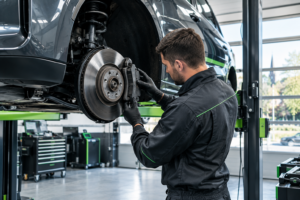
But if only one spring has failed and the car is otherwise well maintained, replacing just that corner is usually the sensible, proportionate repair. A proper diagnostic check — rather than a generic recommendation — is what tells you which situation you’re actually in, and it’s always worth asking a workshop to explain their reasoning if they’re recommending a full set.
Why Do Air Suspension Quotes Vary So Much?
Costs genuinely do vary by model, model year, and which components are affected, but the biggest driver of cost variation between workshops isn’t the parts price — it’s whether a proper diagnosis has been carried out first. A shop that identifies exactly which component has failed can often repair a single spring or a specific line rather than replacing the whole system, which is where the real savings are.
Main dealer parts pricing on air suspension components also tends to run considerably higher than equivalent parts sourced by an independent specialist, without a meaningful difference in quality for most repairs.
Can I Just Convert to Coil Springs Instead?
Coil spring conversion kits exist and remove the air suspension system entirely, which some owners choose once a vehicle has had repeated air suspension problems. It’s a legitimate option, but it does change the car’s ride quality and removes the load-levelling and ride-height adjustment features that are part of what makes a Range Rover feel the way it does. For most owners, a proper repair of the specific failed component keeps the car working as designed and is the more straightforward route — conversion tends to make more sense on older, higher-mileage vehicles where air suspension faults keep recurring.
How Can I Avoid Paying for Unnecessary Parts?
Ask for the specific fault to be identified before agreeing to any repair — a competent diagnostic check should be able to tell you whether it’s a spring, the compressor, or a line or valve issue, and roughly why. Get a breakdown of what’s being replaced and why, rather than a single lump-sum quote for “suspension repair.” And if a full system replacement is being recommended, ask what evidence supports that beyond the vehicle’s age.
What Should I Do If My Range Rover Is Sitting Unevenly?
Book a proper suspension diagnostic rather than waiting to see if it resolves itself — a slow leak tends to get worse, and a compressor working overtime to compensate for a leak elsewhere can eventually fail completely, turning a moderate repair into a considerably larger one. Catching the fault early, and getting it properly diagnosed rather than guessed at, is what keeps a Range Rover air suspension repair proportionate to the actual problem.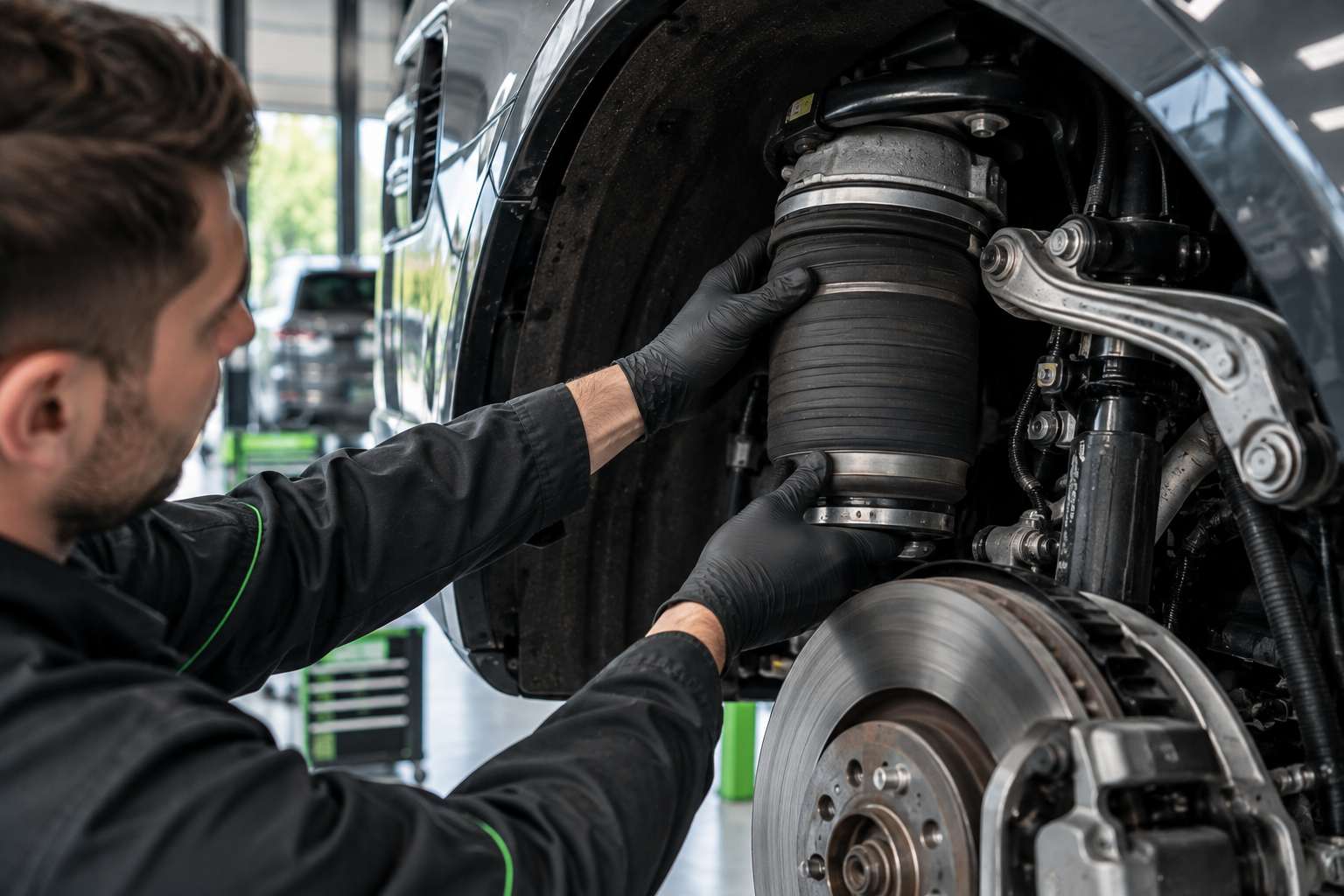
Frequently Asked Questions
Why is my Range Rover sitting lower on one side?
A car sitting visibly lower on one corner, especially after being parked overnight, is a classic sign of a leaking air spring on that side. It’s worth having diagnosed promptly, as the compressor will otherwise work harder to compensate, risking a second failure.
Do all four Range Rover air springs need replacing together?
Not necessarily. If wear is even across a high-mileage vehicle, replacing all four can make sense, but if only one corner has failed on an otherwise well-maintained car, replacing just that spring is usually the proportionate repair. A proper diagnosis should determine which applies.
How do I know if it’s the compressor or an air spring that’s failed?
A compressor that runs constantly or for unusually long periods suggests it’s compensating for a leak elsewhere, which could be a spring, line, or valve fault rather than the compressor itself. A diagnostic check identifies the actual source rather than assuming from symptoms alone.
Is it cheaper to convert a Range Rover to coil springs?
Coil conversion kits remove the air suspension system and its recurring maintenance needs, which can work out cheaper over time on older vehicles with repeated faults. However, it changes ride quality and removes load-levelling features, so it’s a trade-off rather than a straightforward saving.
Why do air suspension quotes vary so much between garages?
The main difference is whether a proper diagnosis has been carried out before parts are ordered. Workshops that identify the specific failed component can often repair just that part, while quotes based on assumption tend to include unnecessary replacements.
How urgent is an air suspension fault?
It’s worth addressing promptly rather than ignoring. A slow leak typically worsens over time, and a compressor compensating for it is at greater risk of burning out, which turns a single-component repair into a more expensive multi-part one.
Get a Proper Diagnosis, Not a Guess
If your Range Rover’s air suspension is showing any of these signs, the team at CSG Automotive in Macclesfield can identify exactly what’s causing it before recommending any repair — so you only pay for what actually needs fixing.